APPROACH
Approach
Brown Calderón Gardens is a landscape design studio rooted in ecology and care.
Every design decision carries weight: what we plant, how we build, and how we maintain. These interventions, no matter how small, shape the future of our shared environment.
With a view toward this future, we are guided by site conditions, select plants for their relationship to place, source local materials when possible, and make choices that support resilient, ecologically rich gardens.
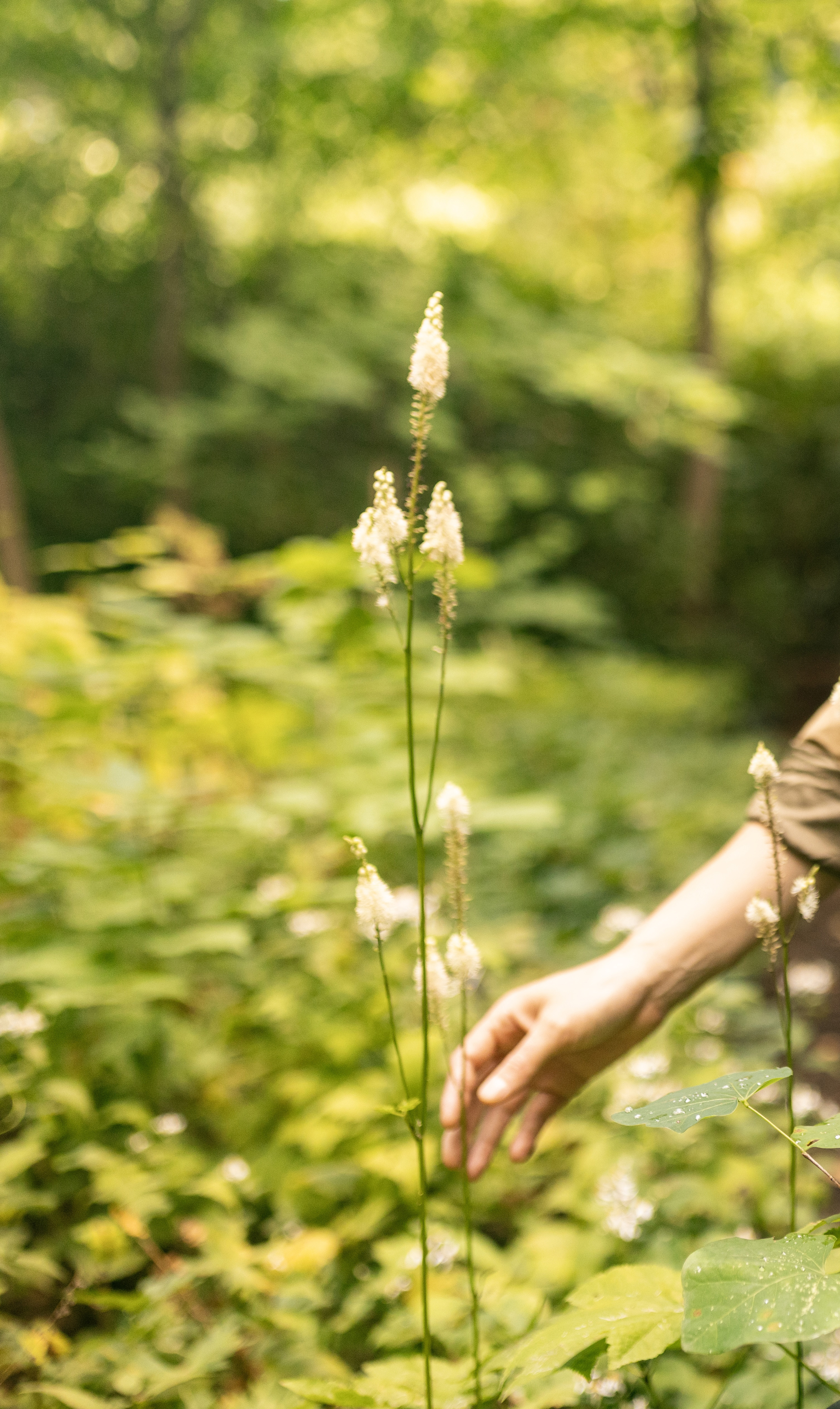
Plant Note 01
Black Cohosh
Actaea racemosa
A long-lived woodland perennial native to eastern North America. Well suited to shaded gardens, it prefers moist, rich soil and produces tall white flowers in summer.
Nancy Natalia
Brown Calderón
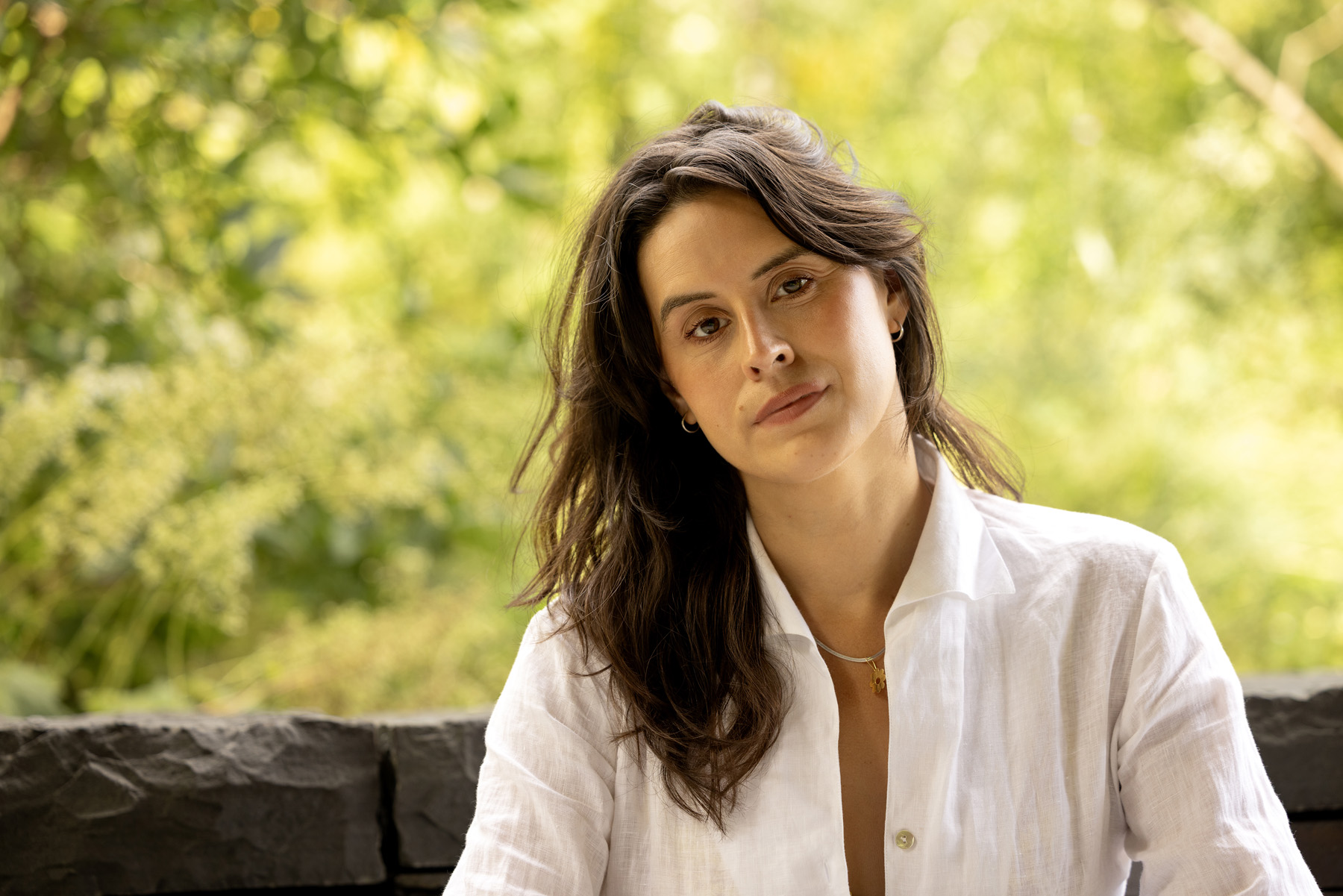
My approach brings together an artistic sensibility with horticultural knowledge to create gardens that allow us to slow down. I create places that feel familiar, yet remain evolving compositions shaped by the seasons, growth, and decay. They are conversations between the landscapes we inherit and those we choose to cultivate.
One of my earliest memories is of watching the trees come alive at our home in Mexico’s Cuautla River Valley. I would watch as bats swarmed, captivated by how much life the trees sustained, much of it hidden during the day. That image has informed how I see landscapes, first as an artist and now as a landscape designer.
I grew up between Mexico City and Boston before moving to New York to study painting at Parsons School of Design. After years spent working in the contemporary art world, I returned to my early curiosity with the natural environment, pursuing studies in landscape design and horticulture at the New York Botanical Garden.
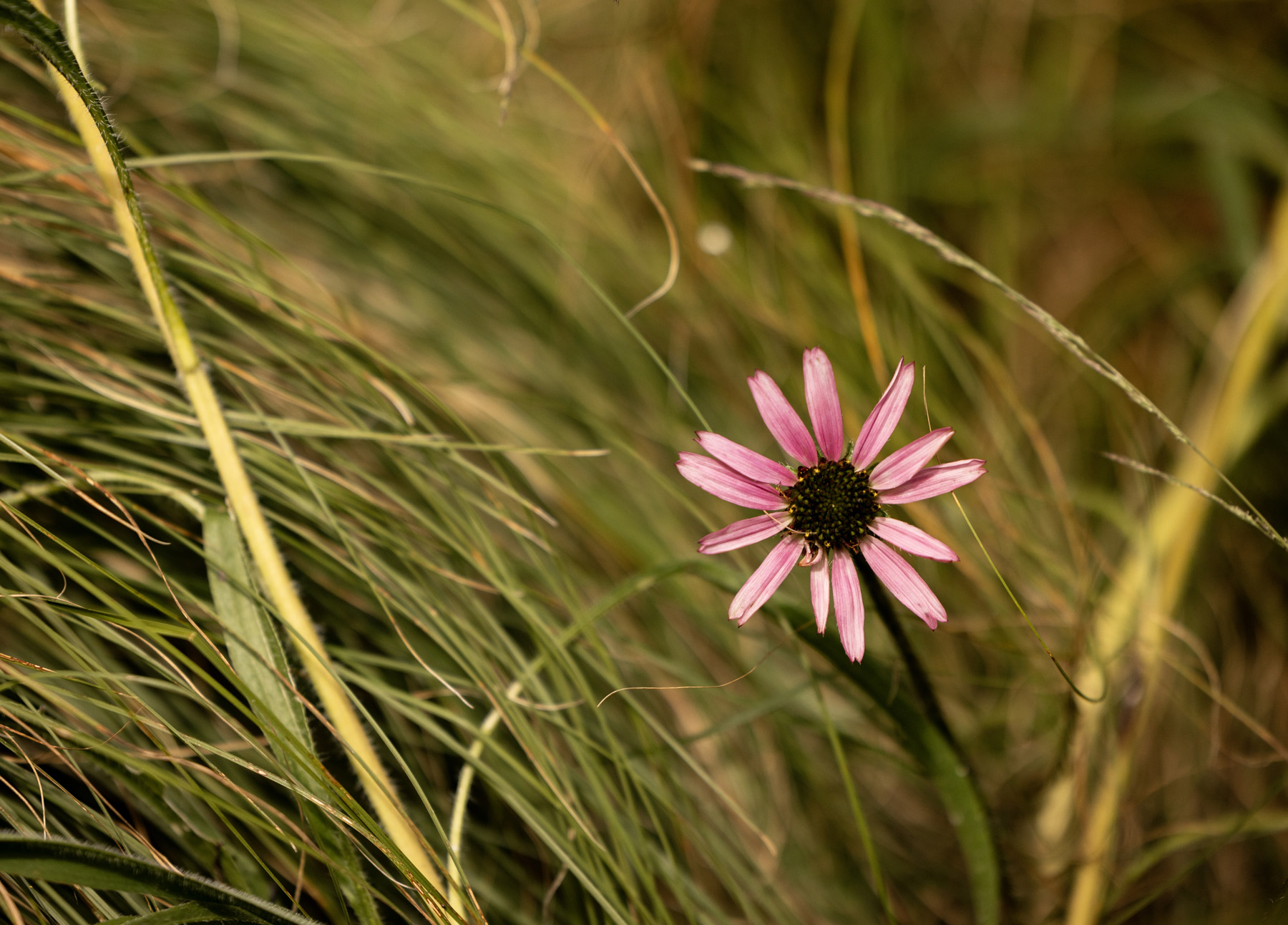
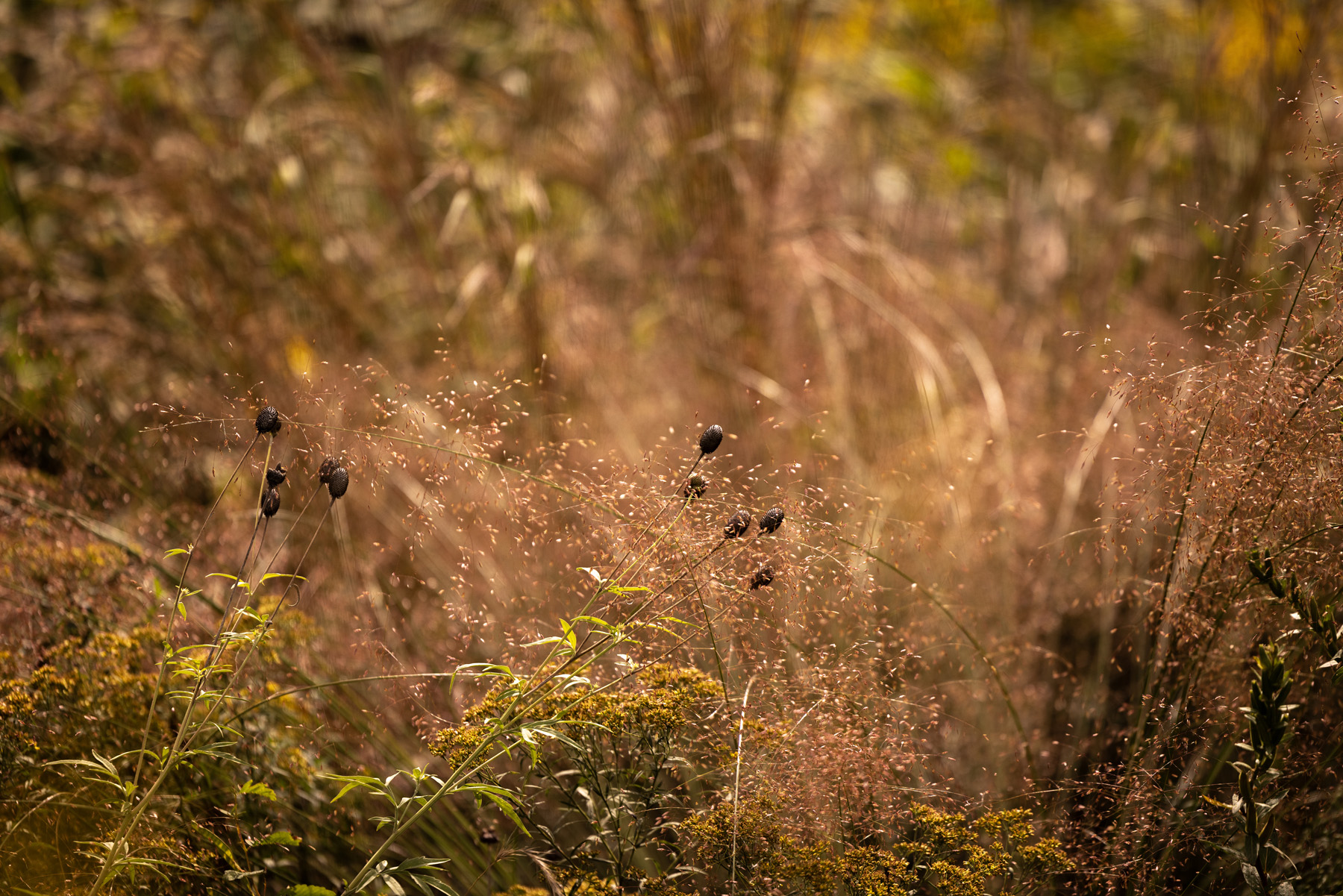
Plant Note 02
Tennessee coneflower
Echinacea tennesseensis
Adapted to full sun and dry, rocky soils, it flowers from midsummer into early fall, complementing the fine texture of native grasses.
"Indigenous plants form the foundation of the food chain, only through maintaining the health of our natural plant communities […] can we maintain our regional landscape and the wildlife that make it their home. That simple fact carries profound implications for the choices we make as gardeners."